How Competitive Gamers Mitigate Bad Variance in Grand Tournaments
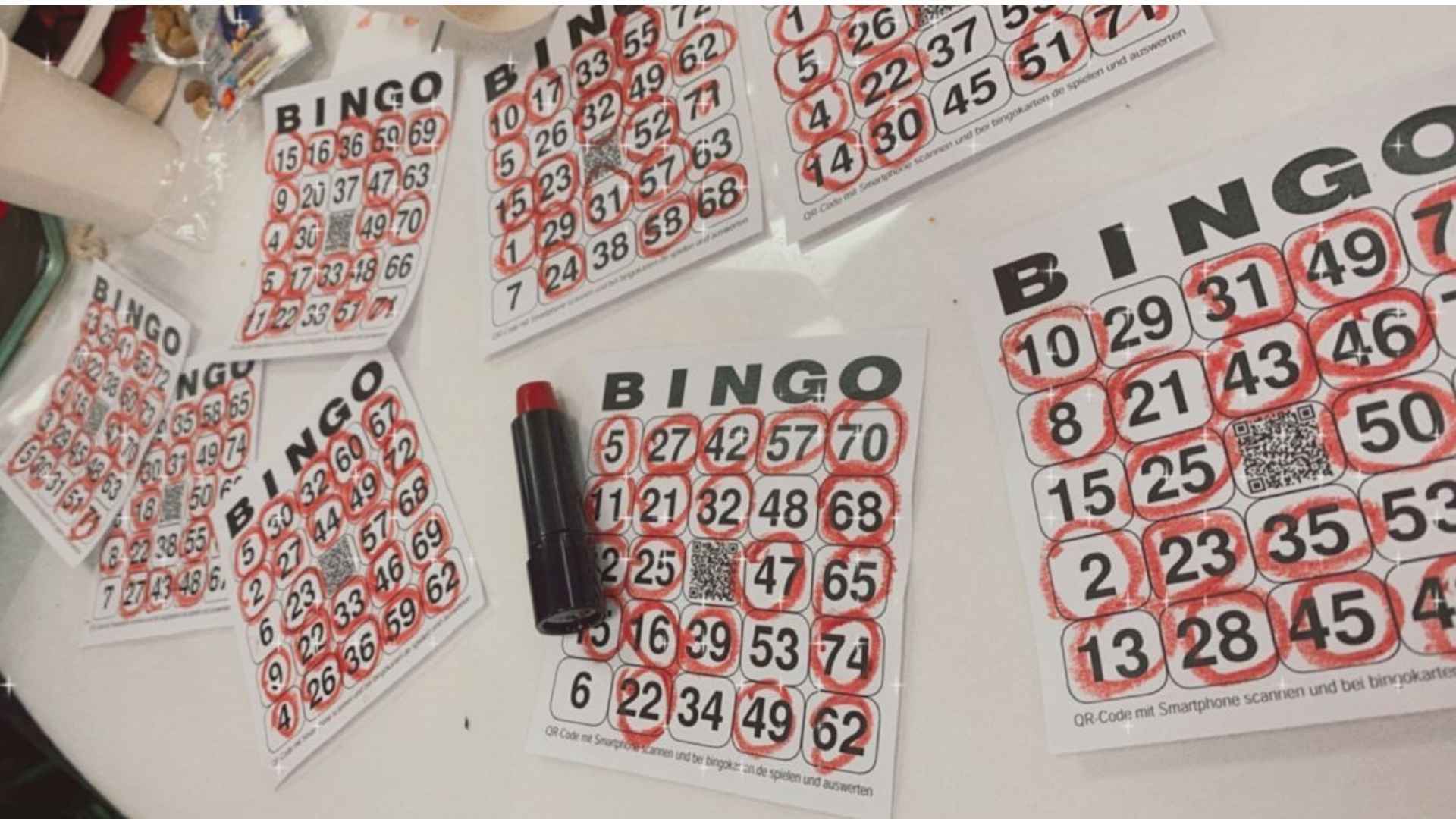
In high-stakes esports and tabletop tournaments, luck often plays an inevitable role in determining short-term outcomes. Professional competitors understand that while individual rolls, card draws, or match draws can yield unfavorable variance, long-term success relies on strategies designed to minimize risk. By managing uncertainty through strategic preparation and mental fortitude, elite players consistently navigate unpredictable events to reach the top ranks.
Building Resilience Through Deck and Strategy Optimization
Top-tier players approach competition by constructing strategies that intentionally lower reliance on high-risk outcomes. By prioritizing consistency over volatile high-reward combinations, players ensure their setups perform reliably across long tournament rounds.
Refining these choices requires deep analytical testing and rigorous statistical evaluation before entering high-level play. Strategic communities and gaming platforms like m88 often analyze performance metrics to help competitors better understand odds and tactical variance.
Tactile Decision-Making Under High Pressure
When unexpected variance strikes during a match, skilled competitors adapt immediately rather than sticking rigidly to their original game plan. Recognizing when to shift from an aggressive stance to a defensive posture allows players to salvage difficult situations.
Mitigating bad luck requires calculating secondary options that maintain winning chances even when primary plays fail. This adaptability separates seasoned veterans from less experienced participants who panic under sudden adversity.
Psychological Management and Avoiding Tilt
Emotional stability is perhaps the most critical asset for any competitor facing persistent bad luck during grand tournaments. Allowing temporary setbacks to cause frustration—often referred to as tilt—inevitably leads to misplays and compounding errors in subsequent rounds.
Mental conditioning techniques help players reset their focus between matches regardless of how a previous round ended. Viewing each game as an independent event prevents negative variance from ruining an entire tournament run.
Leveraging the Law of Large Numbers
Grand tournaments are structured across multiple Swiss rounds and multi-game sets specifically to diminish the impact of luck over time. Professional players accept that individual losses to probability are normal, trusting that superior decision-making will prevail across a large sample size of matches.
By maintaining a disciplined, long-term perspective, competitive gamers maintain high performance levels throughout arduous tournament schedules. Ultimately, controlling the controllable elements remains the true secret to overcoming bad variance at the highest level of play.