Managing Emotions While Playing Poker
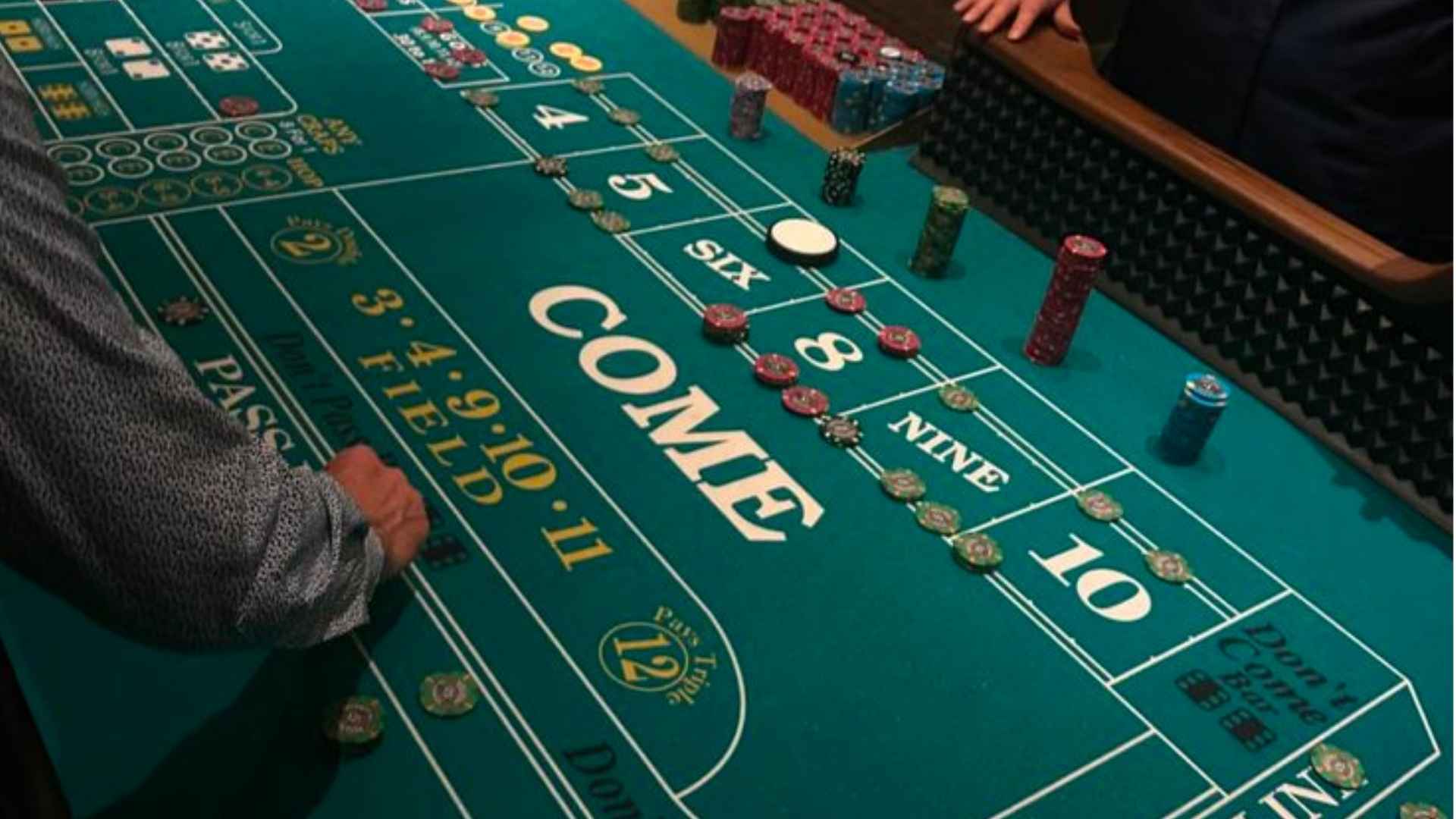
Poker is often celebrated as a game of mathematical precision and strategic calculation, yet the psychological battlefield is where most sessions are won or lost. Players who fail to control their feelings frequently watch their hard-earned stacks vanish due to poor decision-making. Developing emotional resilience is the key to maintaining a high level of performance during extended sessions.
Recognizing the Early Warning Signs of Tilt
Tilt is a psychological phenomenon where frustration or anger causes a player to abandon their optimal strategy in favor of reckless play. The first step in combating this state is learning to recognize physical indicators, such as a racing heartbeat or a sudden urge to play weaker starting hands. Acknowledging these internal changes allows you to pause and correct your mindset before making a costly error.
Many competitors overlook these subtle warnings until they have already committed a significant portion of their chips to a losing pot. Developing self-awareness during active hands helps you stay detached from short-term results. When you learn to identify these triggers early, you can protect your bankroll from emotional volatility.
Developing a Mindful Routine at the Table
Implementing basic breathing exercises between hands can quickly reset your nervous system when tension begins to build up. Taking slow, deep breaths through your nose helps lower stress and restores logical thinking during high-pressure situations. This simple habit keeps your focus entirely on the present moment rather than past bad beats.
Another excellent habit is incorporating brief breaks during your gaming sessions to stretch and clear your mind. Stepping away from the action allows you to gain a fresh perspective on the current table dynamics. If you are looking for a reliable platform to practice these techniques and test your emotional control, joining M88 indonesia can offer a secure environment to challenge your skills.
Maintaining Long-Term Strategic Perspective
In a game filled with inherent variance, even the most perfect decisions will occasionally lead to unfavorable outcomes. Understanding that short-term losses are merely a natural part of the mathematical landscape is essential for long-term survival. Embracing this reality helps remove the emotional weight from any single hand or tournament run.
Successful professionals evaluate their performance based on the quality of their decisions rather than the immediate chips won or lost. Shifting your focus toward long-term growth will naturally minimize frustration and build deep table discipline. Over time, this analytical mindset transforms emotional reactions into calculated strategic adjustments.
Establishing Robust Bankroll Boundaries
A solid financial cushion acts as a natural buffer against the emotional stress of losing individual hands. When you play with money that you cannot afford to lose, every decision becomes loaded with unnecessary anxiety. Maintaining a strict bankroll management plan ensures that bad beats do not impact your peace of mind.
Having at least thirty buy-ins for your chosen stakes allows you to make optimal moves without fearing temporary downswings. This financial security encourages logical plays over survival-oriented folding. Ultimately, a secure bankroll is the foundation upon which strong emotional control is built.