Multiplayer Games with Strategic Community Challenges
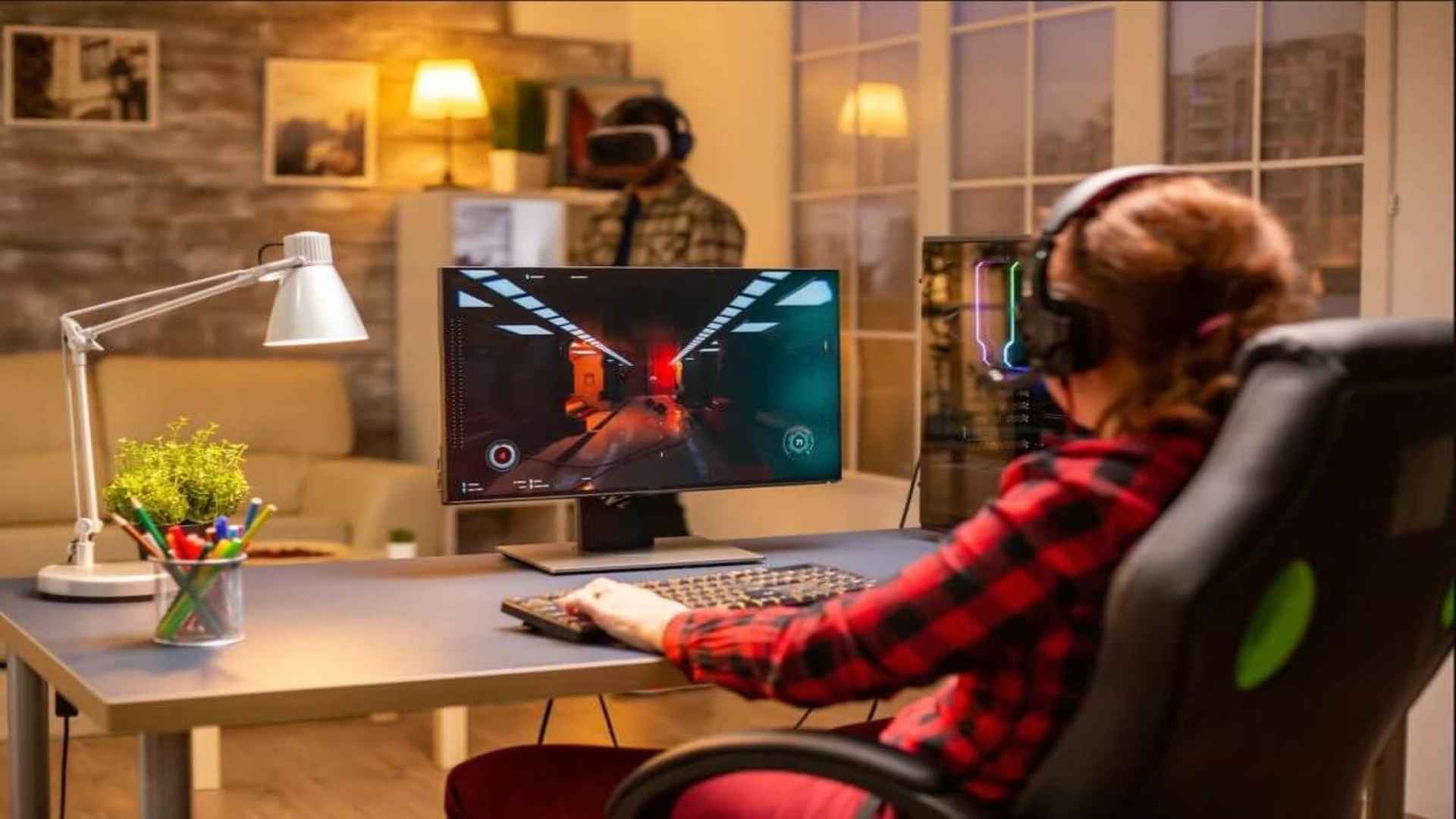
The landscape of modern online entertainment has undergone a massive transformation, shifting from simple isolated matches into deeply connected social environments. Today, multiplayer games are introducing complex, large-scale events that require massive collaboration and collective intelligence from the entire player base. These strategic community challenges encourage participants to look past personal victories and coordinate efforts toward global objectives.
The Shift to Massive Collective Goals
Traditional gaming often focuses on individual progression or small team skirmishes to keep players engaged over time. However, developers are now implementing global milestones that can only be unlocked through the combined actions of thousands of concurrent users. This design forces the community to self-organize, distribute resources effectively, and share tactical knowledge across various online forums.
By shifting the focus toward shared long-term triumphs, virtual worlds become much more dynamic and cohesive. Players feel a genuine sense of responsibility as their daily contributions directly impact the overarching narrative of the game world. This cooperative momentum bridges the gap between casual participants and highly dedicated enthusiasts.
Coordination and Communication Networks
Successfully conquering these grand community trials requires sophisticated organizational frameworks outside the game itself. Guild leaders and community managers often establish dedicated communication channels to delegate tasks and plan synchronized operations. Managing these intricate networks helps participants develop real-world problem-solving skills and strategic planning capabilities.
To explore modern platforms that enhance digital engagement and offer unique entertainment options, you can check out M88 indonesia for diverse experiences. Utilizing external platforms allows gaming groups to stay highly adaptable when tackling unexpected shifts in global event parameters. The resulting camaraderie often extends far beyond the duration of a single seasonal event.
Balancing Challenge and Community Inclusivity
One of the primary difficulties in designing collective events is ensuring that players of all skill levels can participate meaningfully. If the entry barrier is too high, newer players might feel alienated from the primary storyline. Conversely, if the objectives are trivial, elite veteran players will quickly lose interest in the collective effort.
Modern developers resolve this issue by offering multi-tiered participation paths within the grand event structure. Beginners can gather basic logistical resources or defend vital outpoints, while advanced teams focus on taking down high-difficulty boss encounters. This balanced ecosystem ensures that every single action counts toward the ultimate shared victory.
The Future of Shared Virtual Worlds
As network infrastructure continues to advance, the scale and complexity of collaborative gaming challenges will undoubtedly grow. Future titles are expected to integrate real-time data analytics to dynamically alter community objectives based on player performance. This ongoing evolution will keep virtual environments feeling incredibly fresh, unpredictable, and rewarding for years to come.